

 Log in


WindEnergy Hamburg 2026
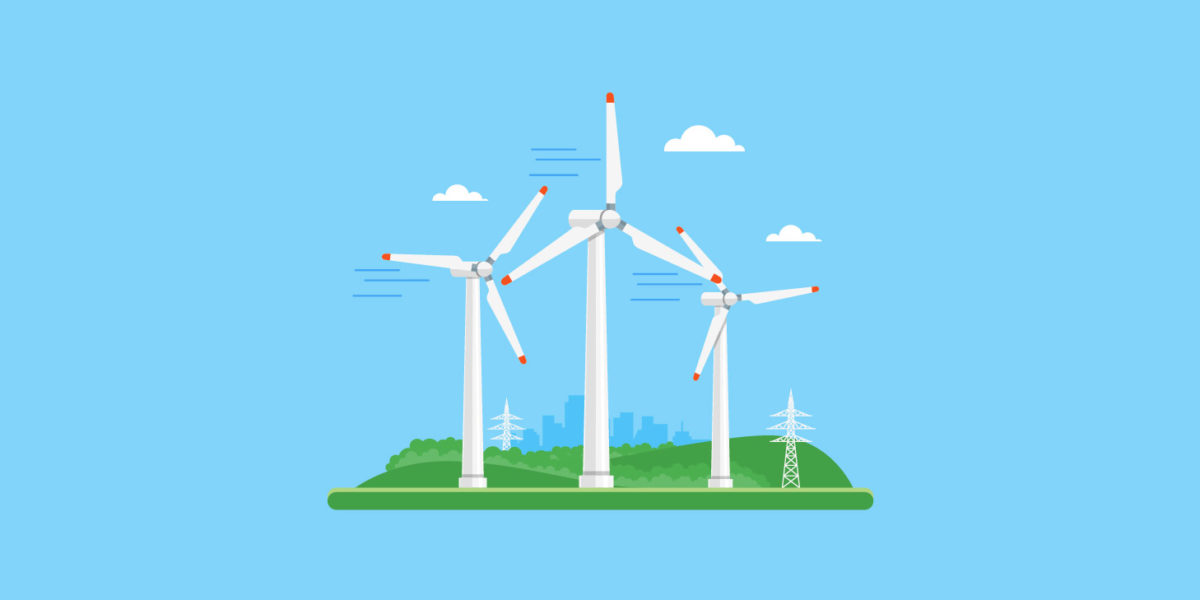
From 22 to 25 September 2026, Hamburg will once again become one of the world’s leading meeting points for the wind energy industry. WindEnergy Hamburg 2026 will bring together companies, researchers, investors, policymakers and professionals to showcase and explore the technologies shaping the future of wind energy.
The 2026 edition is expected to welcome more than 1,600 exhibiting companies and around 43,000 participants from approximately 100 countries. In addition, more than 300 speakers will take part in the programme across six stages dedicated to different aspects of the energy transition.
However, the figures tell only part of the story. WindEnergy Hamburg 2026 also provides an opportunity to see where innovation in the sector is heading: more efficient wind turbines, artificial intelligence, predictive maintenance, offshore wind energy, energy storage, new electricity grids and solutions designed to improve sustainability throughout the entire value chain.
WindEnergy Hamburg 2026: a global showcase for wind energy innovation
WindEnergy Hamburg covers both onshore and offshore wind energy, bringing together manufacturers, suppliers, developers, energy companies, investors and service providers.
The scale of the event reflects the importance of this industry. The organisers expect 1,600 exhibiting companies from 40 countries, spread across 83,000 m² of exhibition space. Approximately 60% of exhibitors focus on the onshore segment and 40% on offshore wind.
At the same time, the professional programme will explore issues that go far beyond wind turbines themselves. Digitalisation, supply chains, electricity grids, energy storage and sustainability are among the key topics identified by the organisers.
This approach reflects an important evolution: wind energy innovation is no longer simply about developing larger or more powerful turbines. The challenge is also to integrate renewable generation into an increasingly digital, flexible, connected and decentralised energy system.
Innovation trends at WindEnergy Hamburg 2026
1. Artificial intelligence and the digitalisation of wind energy
Artificial intelligence has become a strategic technology for the wind energy industry.
Operators have access to increasing volumes of information generated by wind turbines, sensors, weather systems and electricity grids. Processing this data using artificial intelligence can help identify patterns, anticipate problems and support better decision-making.
In this context, predictive maintenance is emerging as one of the most significant trends. Instead of carrying out maintenance based solely on predefined schedules, digital systems can continuously analyse equipment performance and identify potential anomalies before they lead to failures.
As a result, operators can reduce downtime and optimise asset performance.
WindEnergy Hamburg specifically identifies smart sensors, big data analysis, predictive maintenance and artificial intelligence as key elements in the ongoing digitalisation of the wind energy industry. At the same time, greater connectivity is increasing the importance of cybersecurity.
The event will also feature a dedicated area for international start-ups and AI solutions, reinforcing the role of artificial intelligence as an enabling technology for the energy transition.
2. Offshore wind: expanding wind energy into new territories
Offshore wind energy will be another major focus of WindEnergy Hamburg 2026.
Developing wind farms at sea makes it possible to take advantage of high-quality wind resources and expand available renewable energy capacity. However, it also creates significant technological and economic challenges related to installation, operation, grid connection and infrastructure maintenance.
Innovation is advancing particularly rapidly in floating offshore wind, a technology that makes it possible to install wind turbines in deeper waters where conventional fixed foundations become more challenging.
The WindEnergy Hamburg Offshore Stage will dedicate its four days to international offshore wind policies, floating offshore wind, global supply chains, innovation and technology.
The programme will also address issues such as wake effects between turbines and wind farms, grid connections, energy storage and AI-based maintenance tools.
Therefore, the future of offshore wind energy is not simply about installing more capacity. It also requires new solutions capable of reducing costs, optimising operations and increasing infrastructure resilience.
WindEnergy Hamburg 2026 puts energy storage in the spotlight
3. Energy storage: generating renewable power when the wind blows and using it when it is needed
One of the major new features of WindEnergy Hamburg 2026 will be a dedicated area for energy storage.
The new Energy Storage Area, located in Hall A2, will cover 3,600 m² and focus on integrating storage solutions into the renewable energy supply chain. Among other technologies, it will showcase large-scale battery systems and innovative storage solutions.
Its prominence reflects one of the main challenges of the energy transition.
Wind is a variable energy source. Therefore, increasing installed capacity needs to be accompanied by solutions that make it possible to manage more effectively when electricity is generated and when it is consumed.
Energy storage systems can absorb surplus generation and release that energy later when demand increases or renewable production falls. Furthermore, they can contribute to grid stability.
Alongside batteries, another alternative is to convert renewable electricity into hydrogen, expanding the possibilities for storing and using wind-generated energy. The event organisers identify both batteries and hydrogen among the solutions being explored for wind energy storage.
4. Smart grids to integrate more wind energy
Generating more renewable electricity is not enough if infrastructure cannot transport it efficiently.
For this reason, electricity grids represent another essential component of energy innovation.
The growth of wind generation requires grids to be expanded and modernised so they can connect new wind farms, manage more variable energy flows and coordinate different sources of generation and storage.
Once again, digitalisation plays a fundamental role. Monitoring, forecasting and intelligent management systems can help balance generation and demand more effectively.
WindEnergy Hamburg considers grid expansion a key element in maintaining a secure and affordable electricity supply. Its Global Markets Theatre will also address issues related to grids and electrification, artificial intelligence, offshore wind and the infrastructure required to accelerate wind energy deployment.
Beyond turbines: new priorities for wind energy innovation
5. Sustainability and wind turbine circularity
The energy transition must also address the environmental impact associated with manufacturing, maintaining and eventually decommissioning renewable energy infrastructure.
Consequently, innovation is moving towards wind turbines designed according to principles of circularity, recyclability and reduced environmental impact.
One of the challenges is improving the treatment of composite materials used in certain components. As the first generations of wind farms reach the end of their operational lives, issues such as decommissioning, reuse and recycling are becoming increasingly important.
WindEnergy Hamburg includes sustainability, environmental protection and decommissioning among its main areas of focus, paying particular attention to the development of a recycling industry for composite materials and other components.
6. Cybersecurity and critical infrastructure protection
Digitalisation also introduces new risks.
The more sensors, remote control systems, digital platforms and connections wind farms use, the greater the need to protect infrastructure against potential threats.
For this reason, cybersecurity is becoming increasingly important within energy innovation. WindEnergy Hamburg identifies it as a growing concern as the sector becomes more digitalised.
In the offshore sector, this concern takes on an additional dimension. The 2026 programme will also address the protection of critical infrastructure against hybrid threats, alongside other technological challenges facing the industry.
The transition towards an intelligent energy system will therefore need to progress in parallel with the development of more resilient and secure infrastructure.
What does WindEnergy Hamburg 2026 tell us about the future of wind energy?
The trends showcased at WindEnergy Hamburg 2026 reveal a profound transformation of the industry.
The next generation of wind energy innovation combines hardware, software, artificial intelligence, energy storage, electricity grids, new materials and cybersecurity.
In practical terms, six major areas can be identified:
- Digitalisation and artificial intelligence to optimise operations and maintenance.
- Offshore and floating wind energy to expand the areas where renewable electricity can be generated.
- Energy storage to manage renewable energy variability more effectively.
- Smart grids capable of integrating growing volumes of distributed generation.
- Circularity and sustainability throughout the entire wind turbine lifecycle.
- Cybersecurity and resilience to protect increasingly connected energy infrastructure.
This technological convergence is creating new opportunities for companies, technology centres, universities and organisations developing solutions for the energy transition.
European funding to drive wind energy innovation
Europe plays a fundamental role in the development of new energy technologies. European research and innovation programmes provide funding for projects related to renewables, energy storage, electricity grids, digitalisation, new materials and decarbonisation.
For innovative organisations, keeping track of technological developments is therefore not enough. It is equally important to identify which areas are receiving funding, which projects are being developed and which organisations are participating in them.
Analysing funding opportunities, projects and innovators together can reveal where European investment is heading and help organisations anticipate potential opportunities for collaboration.
In this respect, events such as WindEnergy Hamburg 2026 provide a snapshot of the present and near future of the industry, while European funding data helps reveal which technologies are moving from research towards concrete projects.
Discover wind energy innovation and funding opportunities with Kaila
How can you find out which European projects are working on artificial intelligence for wind turbines? Which organisations are researching new offshore solutions? Which funding opportunities could support energy storage technologies or renewable energy integration?
Kaila enables you to explore the European innovation and funding ecosystem from a single platform.
Through Kaila, you can search for funding opportunities, projects, innovative organisations and results related to wind energy, offshore wind, energy storage, hydrogen, electricity grids or artificial intelligence applied to the energy sector.
Analysing this data can also help identify emerging trends, potential partners and new areas of innovation.
WindEnergy Hamburg 2026 shows where the wind energy industry is heading. Kaila helps you discover who is innovating, which projects are being developed and which European opportunities could support the next generation of solutions.
Explore Kaila to discover the funding opportunities, projects and organisations shaping the future of wind energy in Europe.

By clicking "Sign up" button you agree to our General terms, Privacy policy and Cookies policy.